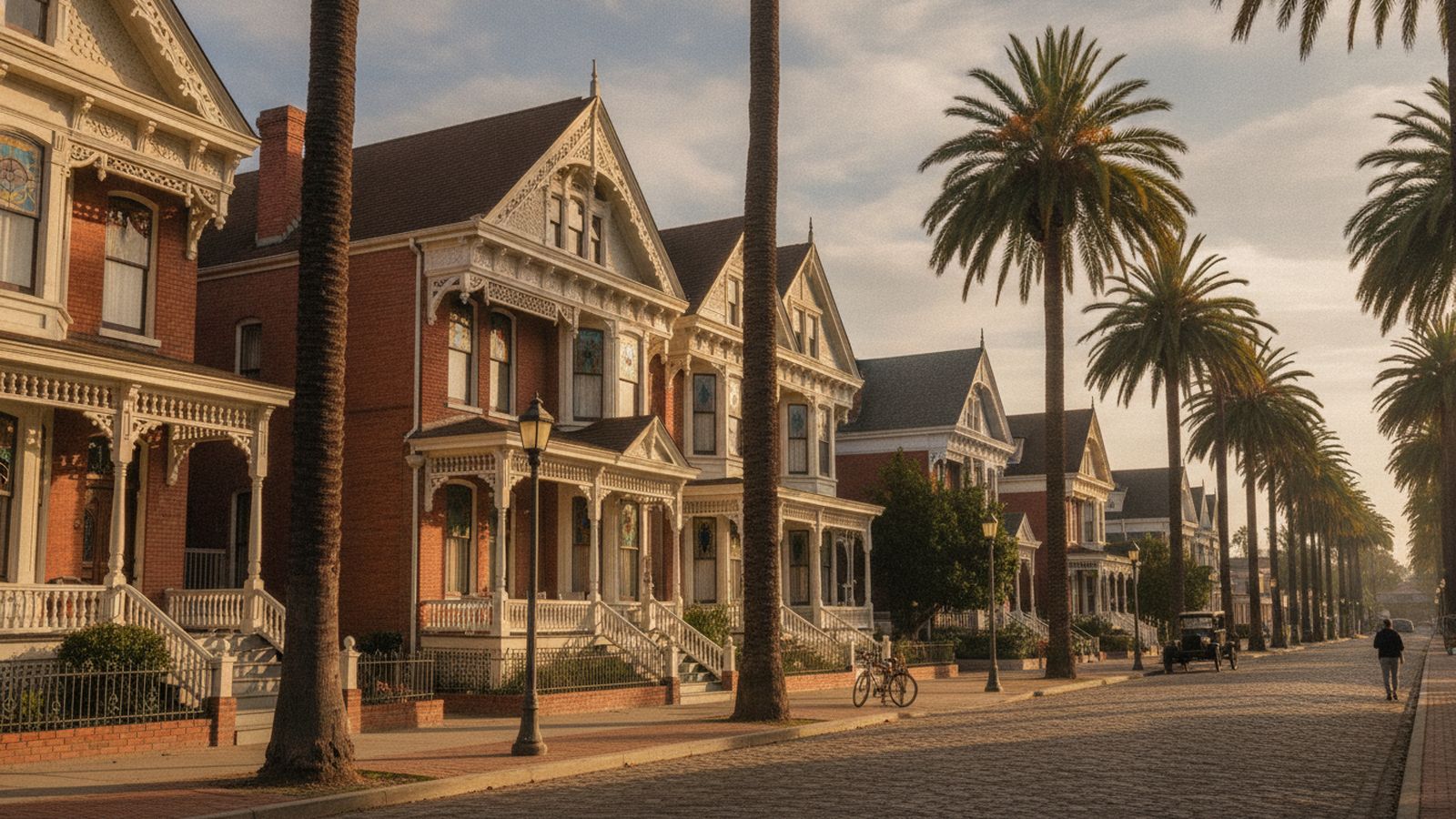
Among the oldest cities in the county, National City lies on San Diego Bay between Chula Vista and San Diego. The Kimball brothers bought much of the former Rancho de la Nacion in 1868, laid out a town, and promoted it as the terminus of the transcontinental railroad. Though San Diego ultimately won that race, National City grew with shipyards, the naval base, and auto dealerships. Incorporated in 1887, it developed through waves of Victorian, early twentieth century, and postwar housing.
Housing in National City
Old Town National City preserves a few 1880s Victorians, including the Brick Row townhouses, along with early twentieth century bungalows and cottages. Postwar ranch homes and small tract houses fill neighborhoods such as Kimball Park and El Toyon, often on modest lots. Apartments, duplexes, and condos are common throughout, especially near Highland Avenue and Plaza Boulevard. Lincoln Acres, an unincorporated pocket, has older single-family homes. Many properties have garage conversions or ADUs, and the city has supported new apartment and mixed-use development near the trolley stations and along the Eighth Street corridor.
What shifts value here
Proximity to the naval base, freeways, and industrial areas shapes value, as do lot size and condition. Homes near Interstate 5, Interstate 805, State Route 54, or the shipyards see traffic and industrial noise. Views of the bay or downtown San Diego add value on the hills of eastern National City. Older homes vary widely in updating and permitted improvements, and ADU potential is a major factor for many buyers. Investor demand for rental properties also influences pricing, and small multi-unit buildings attract a separate pool of buyers who focus on rents. The ongoing redevelopment of the downtown and waterfront areas may shape future demand in older neighborhoods.
Neighborhoods
- Old Town National City
- Kimball Park
- El Toyon
- Lincoln Acres
- Paradise Valley area
- Highland Avenue corridor
Landmarks
- Brick Row
- Westfield Plaza Bonita
- Mile of Cars
- Las Palmas Park
- Pepper Park
Valuation approach
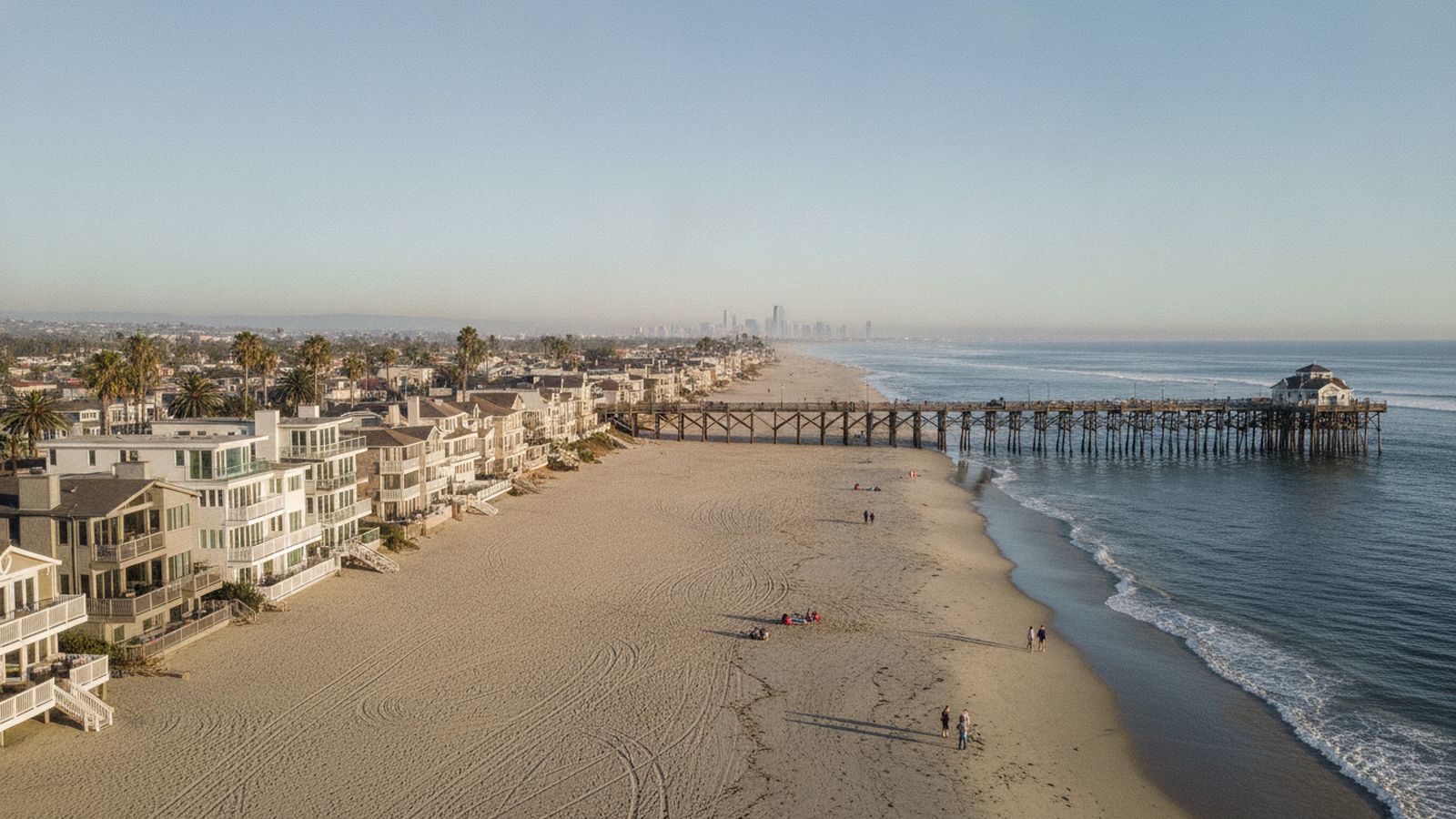
An appraiser compares National City homes primarily with sales within the city, adjusting for lot size, condition, ADUs, and proximity to freeways or industry. Multi-unit properties and homes with legal ADUs may require income analysis alongside sales comparison. Historic homes need careful review of materials, condition, and any local historic designation, and the eastern hills with bay views may call for view adjustments. The large share of converted garages means permit history deserves early attention. Owners should provide permits for conversions or additions, rental information for any units, and records of major updates.
Local question
How does a legal ADU affect the appraised value of a National City home?
A permitted ADU typically adds value because it offers rental income or space for extended family, and buyers in National City actively seek them. The appraiser looks for comparable sales with ADUs and may consider rental income. Unpermitted units are treated with caution and given less credit. Providing permits and rental records helps the report support the ADU's contribution.
ZIP codes: 91950