A bankruptcy appraisal documents the market value of a debtor's real estate, usually as of the date the petition is filed. Bankruptcy attorneys order it to complete Schedule A/B, where every property interest must be listed at current value, and to decide whether the debtor's equity is protected by an exemption. In a Chapter 7 case, the trustee looks for non-exempt equity that could be sold for creditors, so an accurate value can decide whether the debtor keeps the home. In Chapter 13, equity above the exemption affects how much unsecured creditors must receive through the repayment plan. Trustees, creditors and debtors all have a stake in the number, and an overstated or understated value invites objections. A credible, well-supported report helps counsel file with confidence and respond when the trustee questions the scheduled figure.
When this report is needed
- Counsel needs a petition-date value to list real property on Schedule A/B
- Equity must be compared with the California homestead exemption before filing
- The Chapter 7 trustee questions the value scheduled for the debtor's home
- A Chapter 13 plan depends on the amount of non-exempt equity
- A debtor seeks to strip a wholly unsecured junior lien in Chapter 13
- A creditor moves for relief from the automatic stay and value is contested
- A converted case raises questions about value on more than one date

How Brian handles it
Confirm the petition date
Brian works with the attorney to set the effective date, normally the filing date or an anticipated filing date for pre-filing planning. The engagement identifies the attorney and debtor as intended users and notes whether the report may be shared with the trustee or a creditor.
Document condition honestly
Debtors' homes often have deferred maintenance that never shows up in public records. Brian notes outdated systems, roof wear, functional issues and needed repairs so that the value matches what a buyer would pay for the home in its current state, rather than an imagined renovated version.
Analyze petition-date sales
Comparable sales come from the time surrounding the filing date, and pending and listing activity help confirm which way the market was moving. If the filing date has already passed, the analysis is retrospective and does not rely on sales that could not have been known as of that date.
Support the schedules
The finished report gives counsel a clear value for Schedule A/B and the exemption analysis. Should a creditor or the trustee dispute it, Brian can review the competing appraisal, explain the differences in writing and, through a separate agreement, give testimony about the value.
The coastal angle
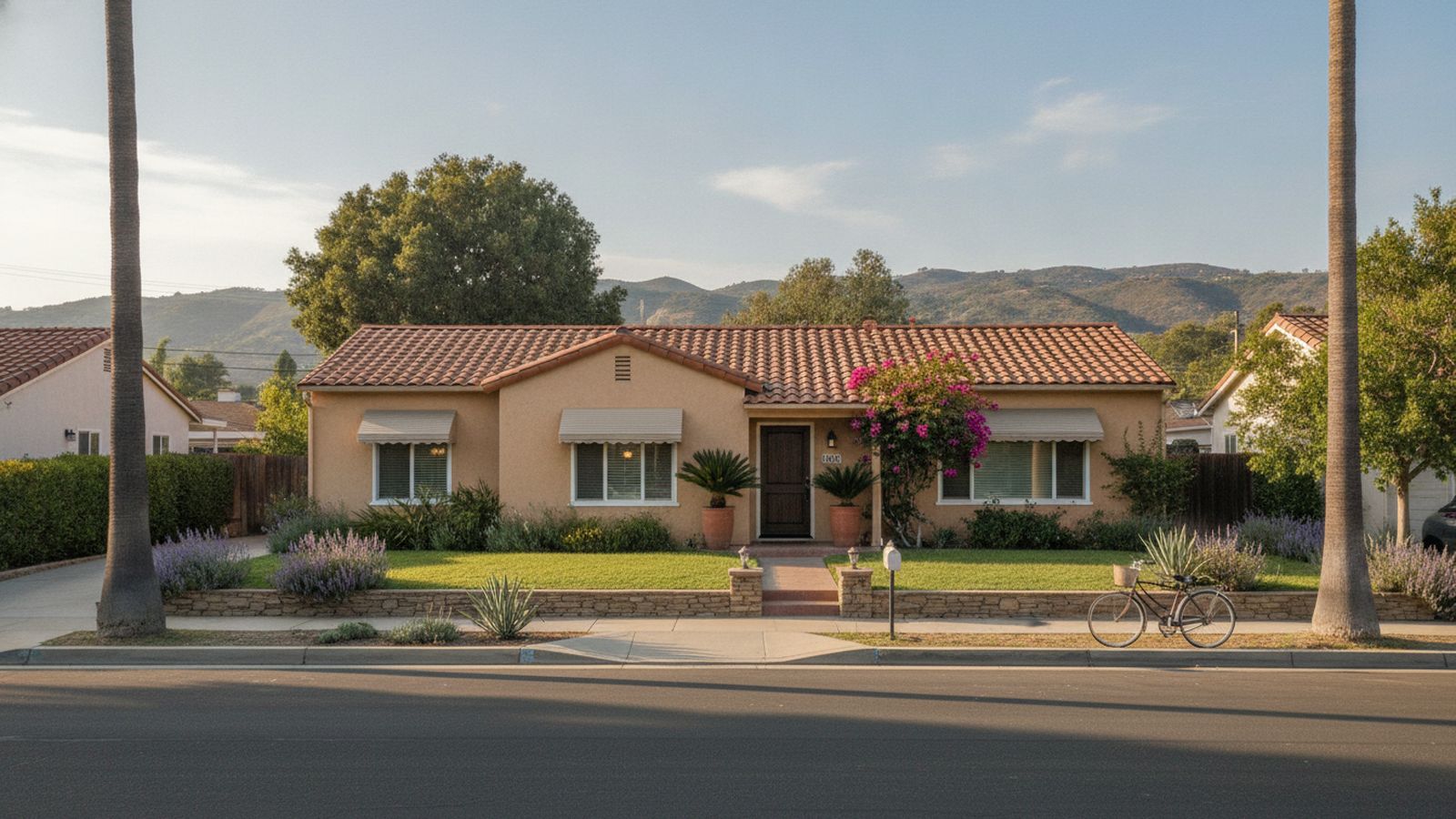
High coastal values put many Encinitas homeowners well above the homestead exemption cap, so the appraised figure often decides whether non-exempt equity exists. A dated Leucadia ranch house with original plumbing and a tired roof can be worth noticeably less than the polished remodels that dominate recent sales, and the report needs to show that difference with real comparables. Bluff-area properties may carry costs tied to erosion, seawall permitting or geologic reports that a trustee's quick online estimate ignores. Unpermitted ADUs and garage conversions are another frequent issue: they may add utility but limited market value, and a buyer could factor in legalization costs. Careful documentation keeps the scheduled value grounded in what the property would actually bring.
Desktop or inspected?
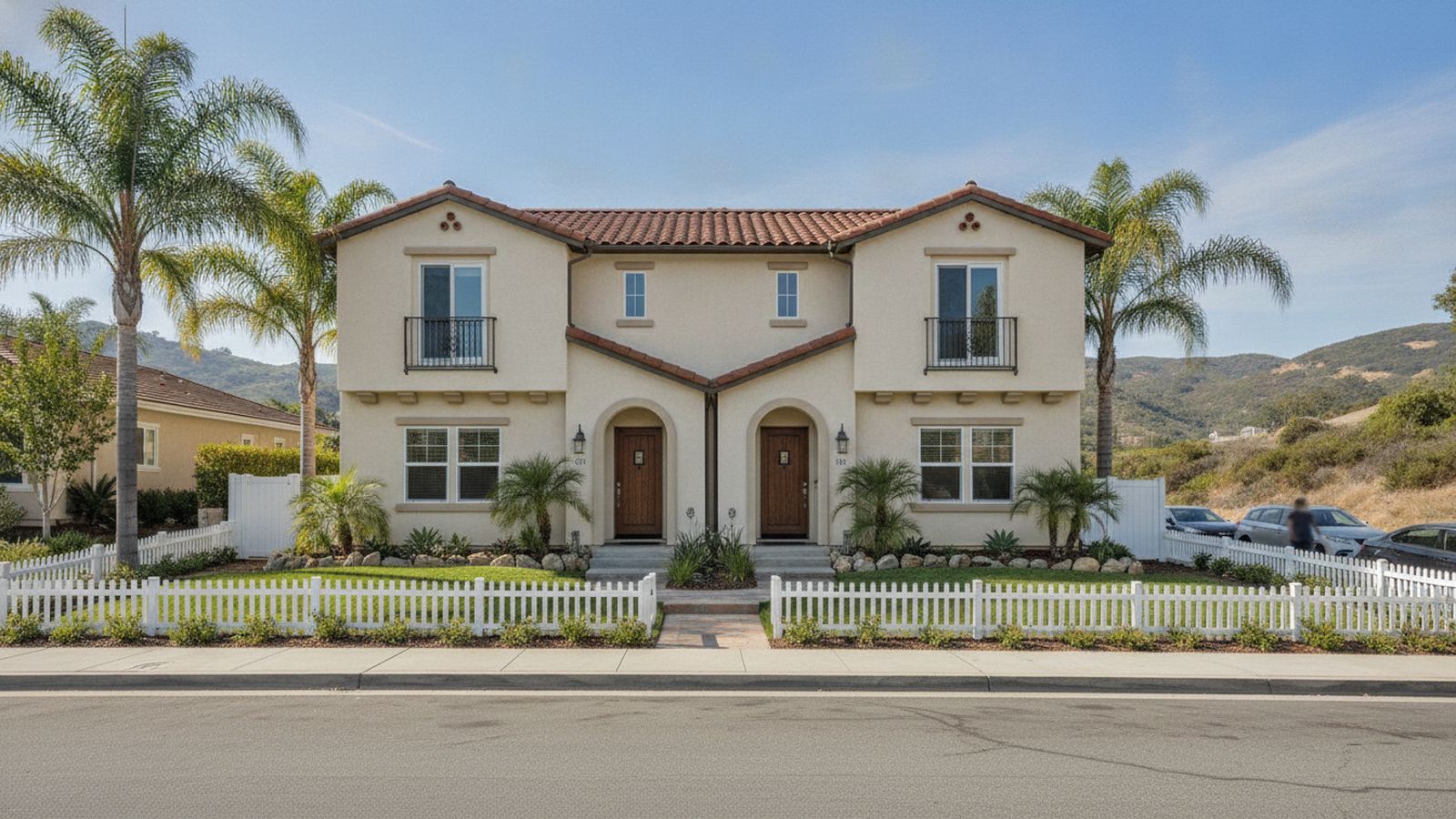
Attorneys often begin with a desktop report for pre-filing planning, since it quickly shows whether equity is likely to exceed the homestead exemption. Desktop reports are available for homes anywhere in California. When equity is close to the exemption limit, when the trustee is expected to object or when the home has significant condition problems that public data will not reveal, an inspected report is the better tool because it documents those issues firsthand. Inspected reports are limited to Brian's in-person service area, so properties elsewhere are handled as desktop assignments.
A site visit is part of the offer only where Brian works on the ground: 68 communities, 33 of them in San Diego County (Encinitas is one) and 35 in Riverside County. Drive-By and Standard reports, single-family or 2-4 unit, are booked for those addresses alone. Any other California property is valued with one of the three desktop formats.
Questions
How does the California homestead exemption affect a bankruptcy appraisal?
Under Code of Civil Procedure section 704.730, the homestead exemption equals the prior year's countywide median sale price for single-family homes, but no less than a floor and no more than a cap that began at $300,000 and $600,000 and are now adjusted annually for inflation. San Diego County's median generally places the exemption at the cap. The appraisal establishes equity, which counsel compares with the exemption to see how much, if any, is exposed to creditors.
Why is the petition date important?
Exemptions are generally determined as of the date the petition is filed, so the value on that date frames the equity analysis. An appraisal with the wrong effective date can mislead counsel about whether equity is protected. For pre-filing planning, the report can use a current date close to the expected filing, and an update can be prepared if filing is delayed and the market moves. If the trustee later markets the home, a current value may matter as well.
Can the trustee use a different value?
Yes. Trustees often rely on broker opinions or automated estimates, and those figures can differ widely from a full appraisal. When that happens, a documented report with comparable sales and condition analysis gives the debtor's attorney something concrete to present. Many disagreements resolve once the trustee sees photographs of needed repairs or sales the estimate missed. If they do not, the dispute may go before the judge, and the appraisal becomes evidence in that hearing.