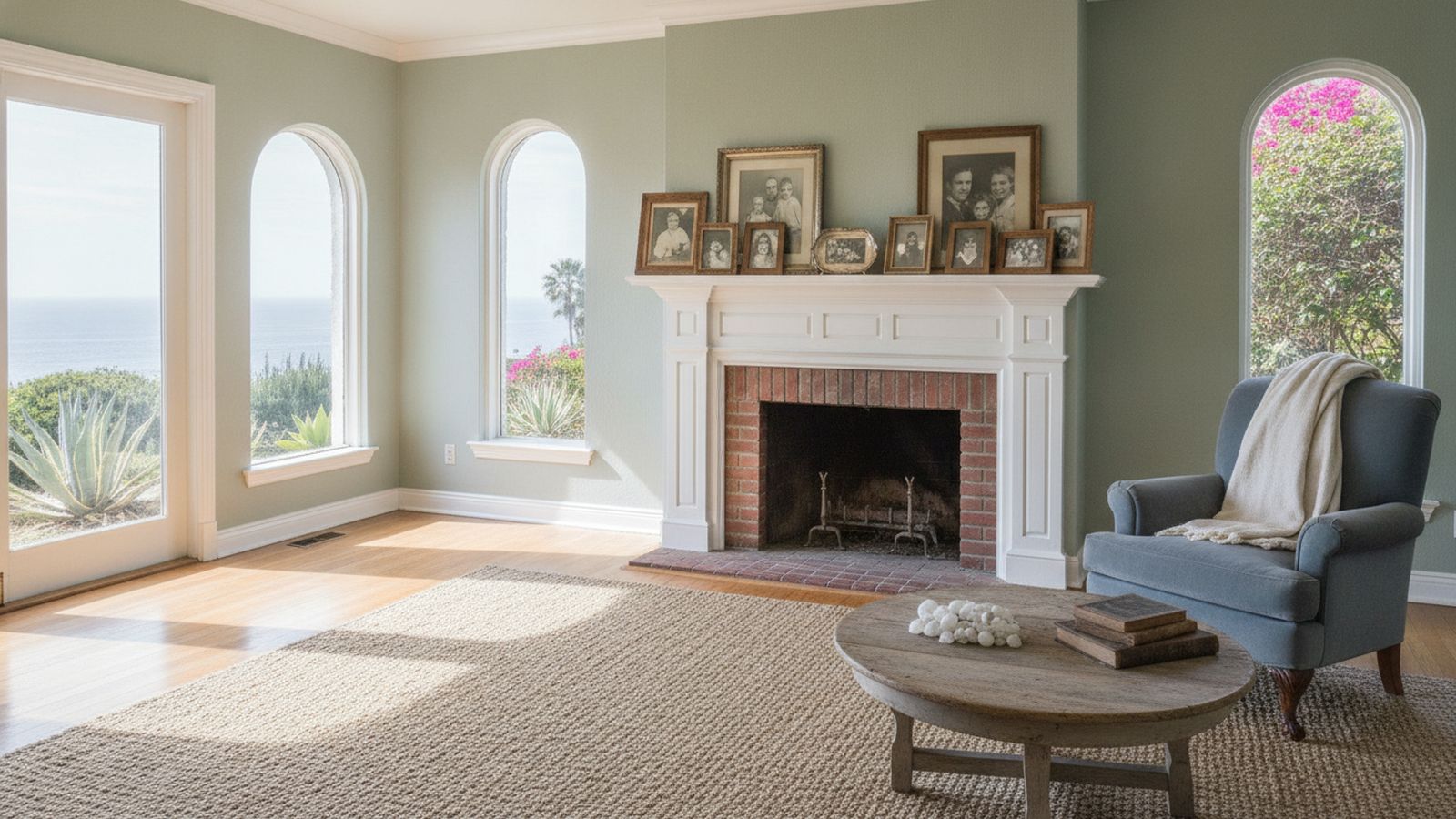
A date-of-death appraisal estimates a home's value on the date its owner passed away, even if that date was months or years earlier. Heirs and successor trustees order this retrospective value because federal tax law resets the cost basis of inherited real estate to its fair market value at death, a rule known as the step-up in basis. A well-supported figure can sharply reduce the capital gains tax owed when the property is later sold. Trust administrators rely on the same number to divide assets fairly among beneficiaries, and estate attorneys and CPAs use it for fiduciary accounting and, for larger estates, federal estate tax returns. In California probate, a probate referee appointed by the court values real estate for the inventory, but families frequently still seek an independent appraisal for basis purposes or for a home held in a living trust.
When this report is needed
- A parent's Encinitas home passed to the children through a living trust
- The CPA needs a stepped-up cost basis before the heirs sell the property
- A successor trustee must value trust assets to divide them among beneficiaries
- The estate may exceed the federal exemption and a Form 706 filing is expected
- The owner died years ago and no valuation was ever recorded at the time
- One heir plans to buy out the others at a fair date-of-death figure
- A probate referee's value needs an independent cross-check for income tax records
How Brian handles it
Confirm the effective date
The assignment starts with the exact date of death, the property address and the intended users, usually the trustee, attorney or CPA. Brian also asks about remodels, additions or damage since that date, because the report must describe the home as it stood then, not as it looks today.
Rebuild the market then
Comparable sales are drawn from the months surrounding the date of death, with later closings used only to confirm trends already underway at the time. For older dates, Brian reconstructs market conditions from archived listing data and county records rather than applying a simple index to a current value.
Inspect or analyze remotely
Where the home sits inside Brian's in-person area and remains largely unchanged, a site visit documents construction quality and layout. When the property has been sold, emptied or renovated, a desktop analysis built on records, old listing photos and family pictures is often the more honest approach.
Deliver a defensible report
The finished report states the retrospective effective date, explains how each comparable was adjusted and is written to the standard the IRS expects of a qualified appraisal. Copies go to the trustee, attorney and tax preparer, and Brian remains available to answer follow-up questions from any of them.
The coastal angle
Coastal Encinitas homes held for decades create some of the largest basis gaps in the county. A Leucadia cottage bought in the 1970s may carry an original cost that is a small fraction of its value at death, so the step-up figure directly decides how much of a later sale is taxed. Retrospective work here has to account for details that change quickly: a bluff-top lot in Old Encinitas whose value depends on the setback rules and geologic reports in effect on the date of death, an unpermitted garage conversion in Cardiff, or an Olivenhain parcel whose horse facilities have since been removed. Ocean and lagoon views are measured as they existed on the effective date, not after later construction nearby.
Desktop or inspected?
Many date-of-death assignments suit a desktop report, especially when the effective date is well in the past or the home has already been sold, cleared out or remodeled, since an inspection today would show a different property. Desktop reports can be completed for homes anywhere in California. An inspected report adds weight when the estate is large enough to draw IRS attention, when the home's condition at death is disputed among heirs, or when a Form 706 filing is expected. Inspected reports are limited to Brian's in-person service area along the North County coast and the surrounding towns.
A site visit is part of the offer only where Brian works on the ground: 68 communities, 33 of them in San Diego County (Encinitas is one) and 35 in Riverside County. Drive-By and Standard reports, single-family or 2-4 unit, are booked for those addresses alone. Any other California property is valued with one of the three desktop formats.
Questions
Can a date-of-death value be determined years after the owner died?
Yes. Retrospective appraisals are routine, and the method is the same whether the date was last month or a decade ago. Brian chooses sales that closed near the effective date, reviews listing histories and market trends from that time, and describes the home as it then stood using records, past photos and what family members remember. The older the date, the more the report depends on archived information, yet a credible and well-supported value remains attainable for trust and basis needs.
Does the probate referee's valuation replace a private appraisal?
Not always. In a California probate, the referee appointed by the court values real estate for the inventory and appraisal filed with the court. That figure serves the probate process, but many families also want an independent report for income tax basis, for assets held in a living trust that never enter probate, or to understand value before negotiating a sale or buyout. An independent appraisal can also help an attorney judge whether the referee's number looks reasonable.
What is the alternate valuation date?
For estates filing a federal estate tax return, the executor may elect to value assets six months after death instead of on the date of death, but only when the election lowers both the gross estate and the tax due. Few estates owe federal estate tax, so most date-of-death assignments use the actual date of death. When the alternate date may apply, the CPA can request values as of both dates so the two results can be compared before the return is prepared.