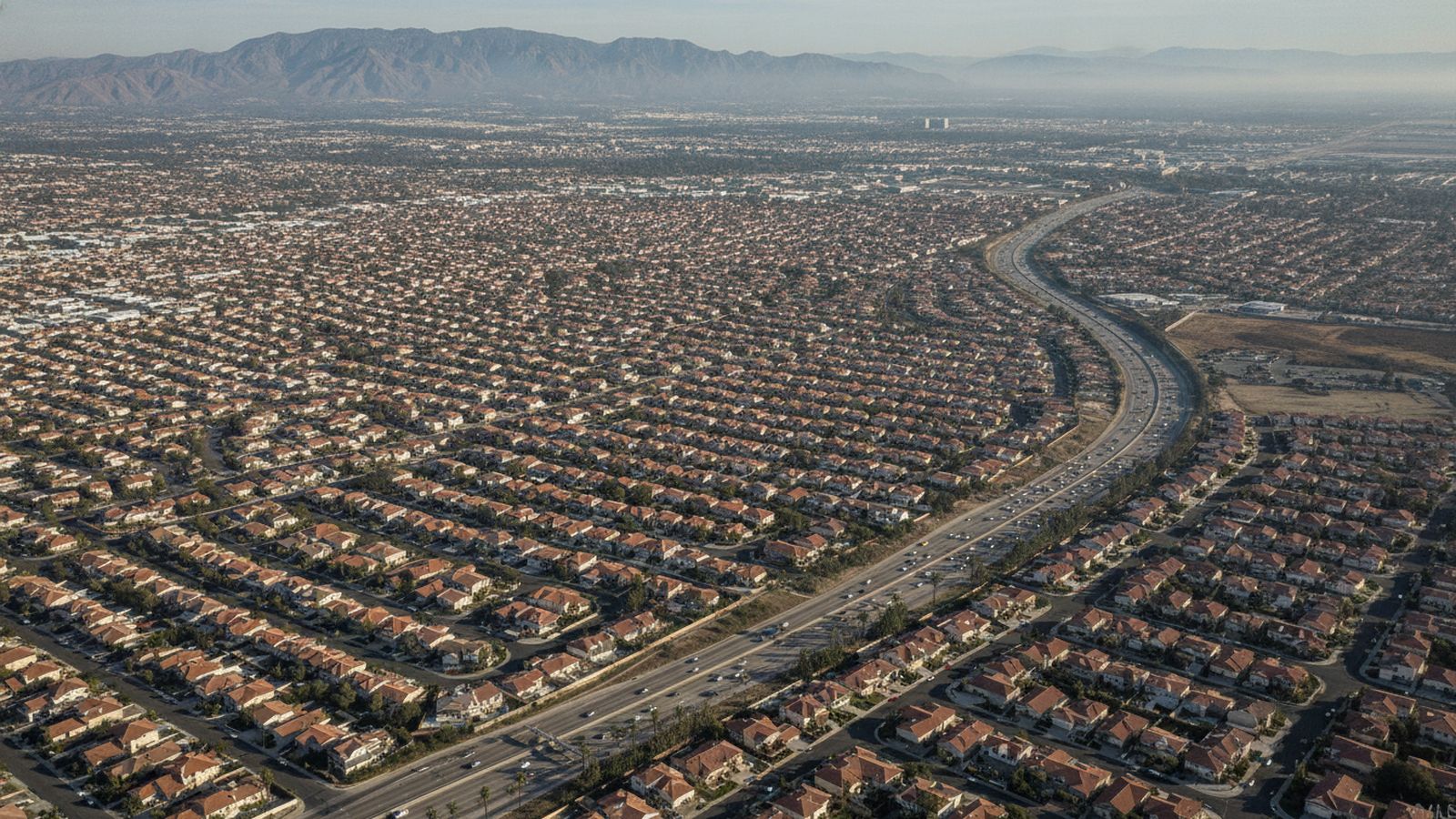
A desktop appraisal values a home without a site visit. Instead of walking the property, the appraiser builds the description from public records, listing histories, photographs and information supplied by the owner, executor or attorney. The result is a signed appraisal report prepared under professional standards, with the same comparable sales analysis and reconciliation as an inspected report. Desktop work is available for residential property anywhere in California, which makes it practical for out-of-area heirs, trustees settling estates from another state and anyone who needs a credible value without arranging access.
How a desktop report is built
The process starts by establishing the subject property from county assessor data, recorded deeds, building permits and any prior listing records, including archived photographs and floor plans. The client is asked to confirm or correct those details and to supply recent photos, a list of updates and any known problems. Aerial and street-level imagery helps verify the lot, the setting, outbuildings and nearby influences such as busy roads or open space. Comparable sales are then selected from the same market area and time frame and examined through their own listing photographs and remarks. Adjustments are applied for differences in size, age, condition, lot, view and amenities. Finally, the report documents every source used, states the assumptions made about anything that could not be verified, and reconciles the comparables into a single supported value.
Good fits
- Date-of-death and estate valuations where the home's condition is known to the family
- Trust administration and distributions among beneficiaries
- Proposition 19 parent-child transfers and property tax questions
- Divorce settlements where both parties agree on the home's condition
- Heirs or trustees located outside San Diego County who cannot provide access easily
- Pre-listing or pre-purchase planning before deciding on a price
Limits
Without a site visit, the appraiser cannot personally confirm interior condition, hidden damage, odors, deferred maintenance or the quality of recent work. The report relies on the accuracy of records and the information provided, and it states those assumptions plainly. If the home has major unpermitted changes, significant damage or features that are disputed between parties, an inspected report is usually the stronger choice. Desktop reports also may not satisfy every court or agency, so check requirements first.