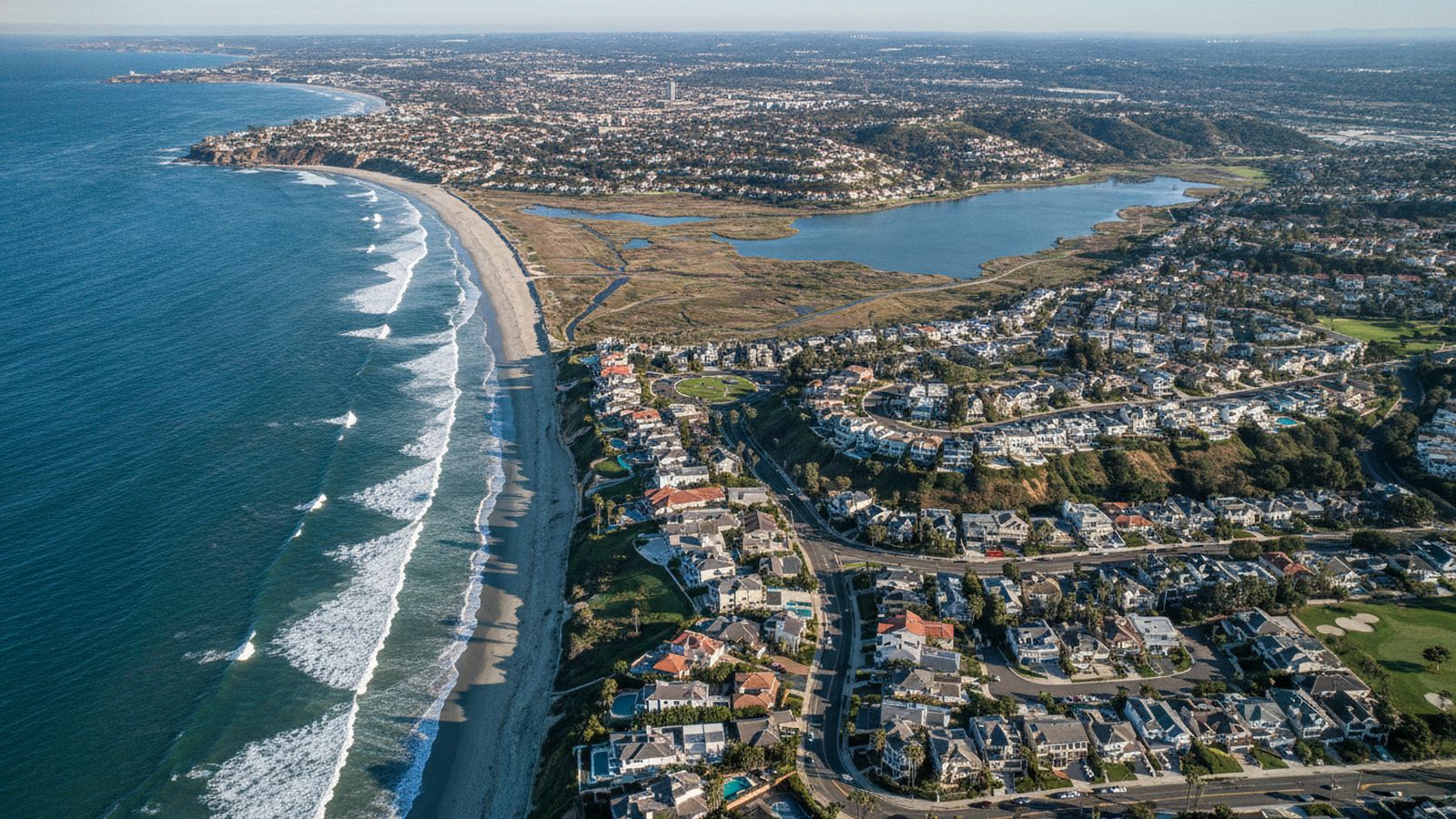
Encinitas covers roughly six miles of North County coastline and reaches inland to the equestrian hills of Olivenhain. Incorporation in 1986 united five separately developed communities: Leucadia on the north, Cardiff-by-the-Sea on the south beside San Elijo Lagoon, Old Encinitas along the downtown section of Coast Highway 101, rural Olivenhain further inland, and New Encinitas, which follows El Camino Real on the inland side of Interstate 5. Those old identities still shape the housing market. A bluff-top lot on Neptune Avenue, a 1970s tract home off Village Park Way and a multi-acre horse property on Lone Jack Road all carry an Encinitas address, yet they respond to different buyers, different land-use rules and different sets of comparable sales. Valuing property here means first deciding which of these submarkets a home actually belongs to, and then reading the sales from that pocket rather than the citywide average.
How the housing stock grew
Housing in Encinitas followed the land uses that came before it. The coastal rail line built in the 1880s created small depot settlements, and Highway 101 later strung beach cottages and modest commercial blocks along the shore. Through much of the twentieth century the mesas east of the tracks were greenhouses, flower fields and avocado groves, with the Ecke family's poinsettia operation the best known of the growers. After World War II, small stucco and board-and-batten cottages filled the grid streets of Leucadia, Cardiff and Old Encinitas. Interstate 5 arrived in the 1960s, and over the following three decades former growing ground east of the freeway became planned tracts, condominium complexes and homeowner associations, from Village Park to Encinitas Ranch. With little vacant land left, growth since 2000 has come through teardowns, lot splits, accessory dwelling units and the higher-density Housing Element sites the city rezoned under state pressure.

What is on the ground today
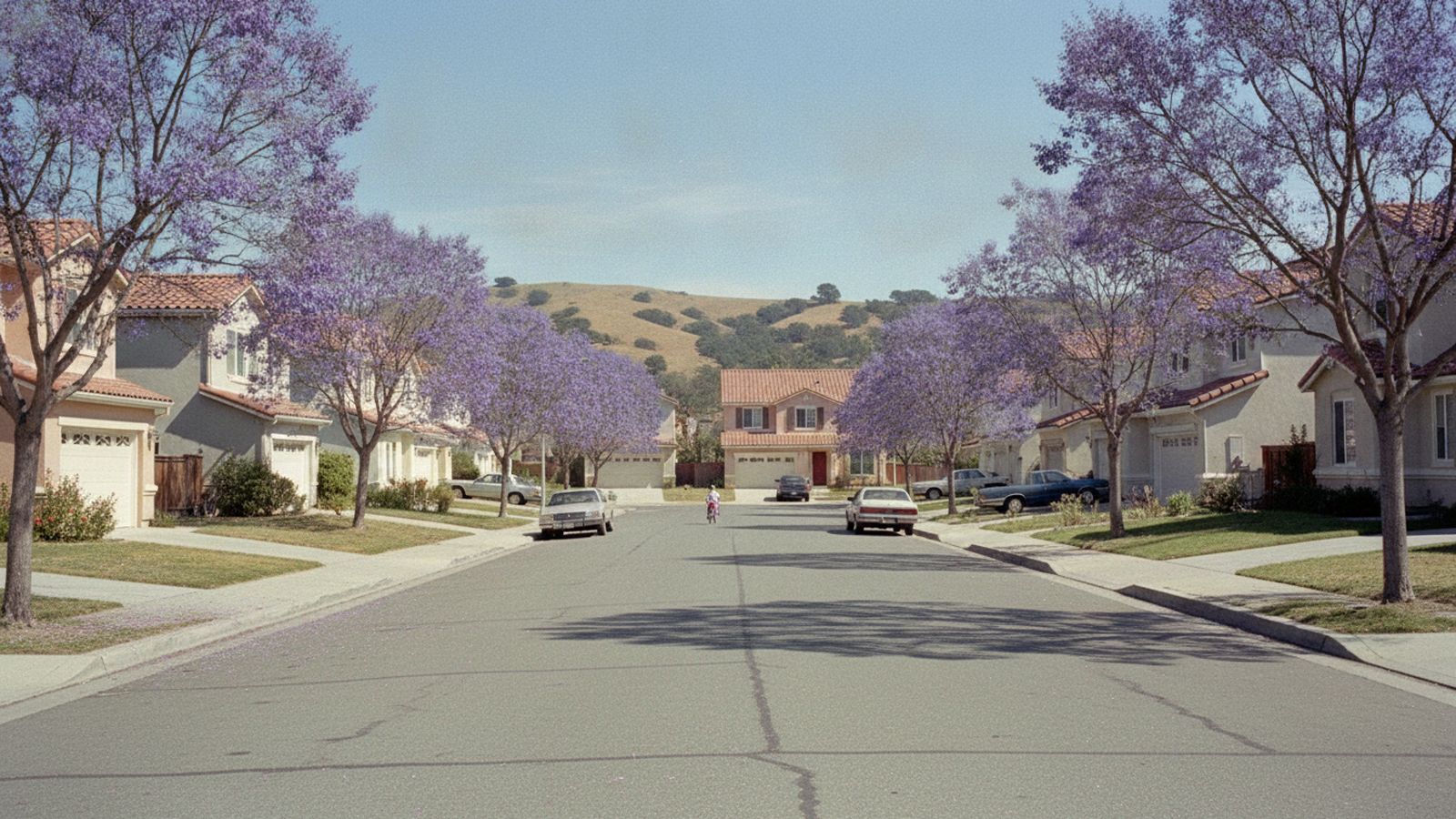
The oldest housing sits west of Interstate 5: early twentieth century beach cottages, Craftsman-influenced bungalows and postwar single-story homes on narrow lots, many of them expanded with second stories or rebuilt entirely. Lots in Leucadia's original subdivisions are often deeper than the city norm, which is why so many of them now hold a front house plus a rear unit. Cardiff's hillside streets above the lagoon mix 1950s and 1960s homes with contemporary rebuilds stepped down steep slopes for ocean views. On the east side of the freeway, housing shifts to planned developments built between the 1970s and the 1990s, including two-story tract houses with attached garages on lots of about 5,000 to 8,000 square feet, condominium and townhome communities set around common greenbelts, and the Encinitas Ranch golf-course neighborhoods. Olivenhain stands apart, with custom homes and older ranch houses on parcels measured in acres, barns, arenas and private wells or long driveways. Newer apartment and townhome projects on rezoned Housing Element sites add another layer to the inventory.
Value drivers in Encinitas
Ocean views and distance to the sand
West of the rail corridor, walking distance to Moonlight, Beacon's, Swami's or the Cardiff state beaches carries real weight, and the premium climbs block by block toward the bluff. Views are graded rather than assumed: a whitewater view from a second-story deck in Cardiff is a different asset than a filtered sliver over rooftops in Leucadia. View quality, permanence and the chance that a neighbor's remodel could block it all have to be judged at the site.
Bluff and coastal zone constraints
Most of the city west of Interstate 5 lies within the Coastal Zone, so remodels and additions can require coastal development permits on top of standard building review. Bluff-top homes along Neptune Avenue and the Cardiff shoreline face setback rules, geotechnical studies and long debates over seawalls. Those constraints can limit what a buyer is able to build, and a bluff lot's value depends on its erosion history and approved protective work as much as on the view.
West versus east of Interstate 5 and the rail line
Interstate 5 and the parallel rail corridor divide Encinitas into two markets. Coastal-side buyers pay for walkability to the 101 shops and beaches, while east-side buyers trade that for larger, newer tract homes and lower density. Homes directly against the freeway sound walls or close to the tracks, where trains pass at grade through Leucadia and Cardiff, often sell for less than similar homes a few streets away, and that location factor has to be measured in local paired sales.
Olivenhain acreage, horses and fire exposure
In Olivenhain, usable land drives value more than square footage. Flat pad area, arenas, barns, trail access and zoning that permits horses can separate two homes of similar size by a wide margin. Steep canyon parcels with little usable ground behave differently. Large parts of Olivenhain fall within state fire hazard severity mapping, which affects insurance availability, defensible-space requirements and buyer appetite, so recent comparable sales need to reflect the same wildland exposure.
ADUs and Housing Element sites
Encinitas has encouraged accessory dwelling units, and many Leucadia and Old Encinitas lots now carry permitted rear units or garage conversions that add rental income or space for extended family. A permitted ADU is valued differently from an unpermitted one, and its contribution depends on finish and layout. The city's rezoned Housing Element sites, scattered along major corridors, also bring new attached housing that can change the competitive supply around nearby older homes.
Condition of older cottages
A large share of west-side homes are small postwar cottages, and their sale prices vary widely with condition. One cottage may be sold as land value to a builder planning a rebuild, while the identical lot next door holds a fully remodeled home with a new roof, systems and a second story. Separating land value from improvement contribution, and recognizing when a dated house adds little beyond the lot, is central to valuing these streets accurately.
Choosing comparables here
Comparable selection in Encinitas starts with the micro-market, not the ZIP code. Brian first places the subject on the right side of Interstate 5 and the rail line, then within its community and, where it matters, its block: bluff-top, west of Neptune, inside a Village Park association or on usable Olivenhain acreage. Sales are drawn from that pocket first. When local turnover is thin, the search crosses community lines with care, for example pairing a Leucadia cottage with Old Encinitas sales on similar lots, while adjusting for walkability and rail proximity. Instead of a fixed percentage, view premiums rest on paired sales comparing similar homes that have the view and homes that do not. A large share of private work calls for retrospective dates for trusts, divorces and estates, so comparables are drawn from sales closing near the effective date, and that period's conditions, such as interest rate changes and seasonal coastal demand, are studied instead of presumed.
Neighborhood pages
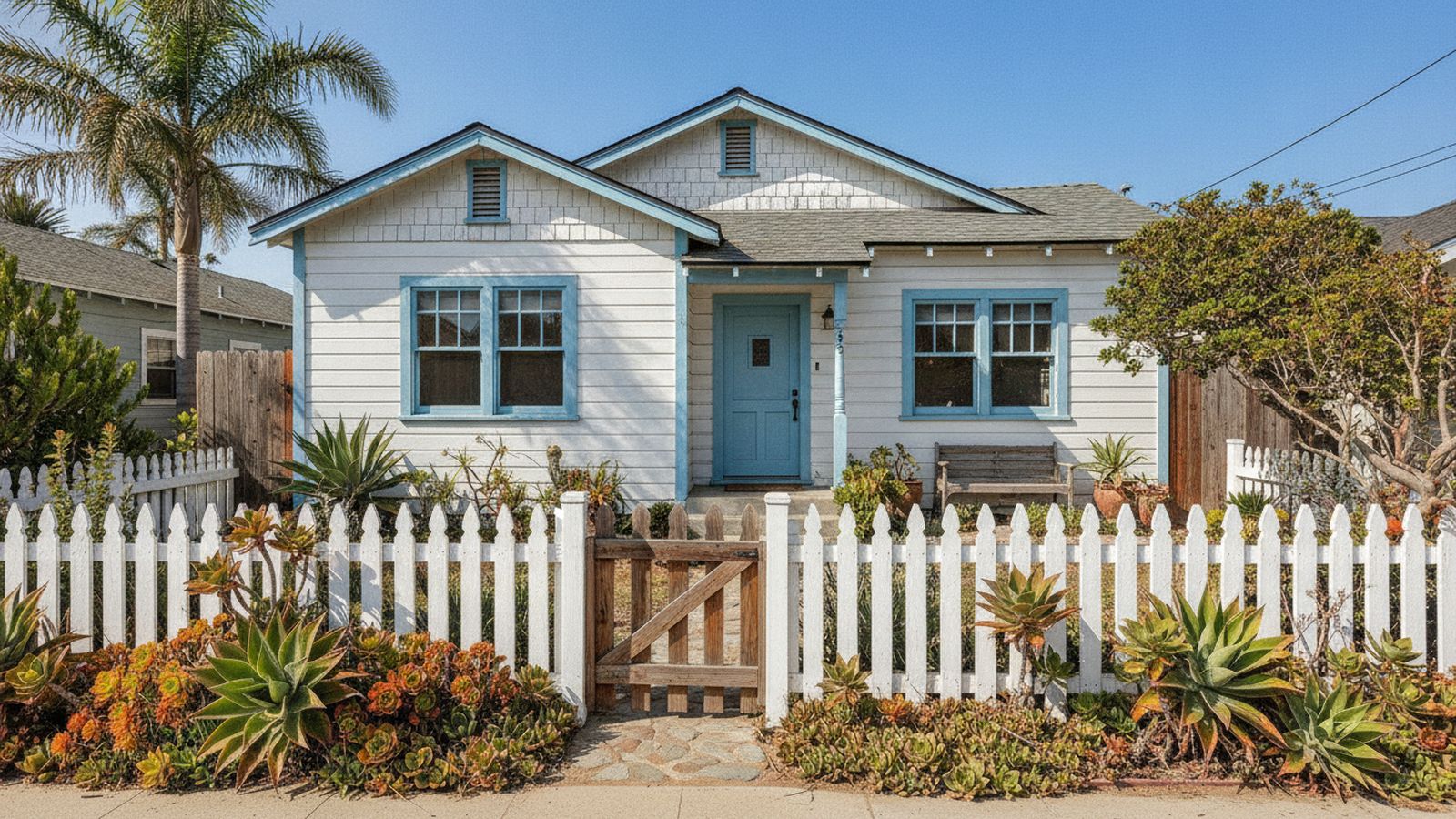 Old EncinitasThe original downtown grid between Moonlight Beach and the freeway
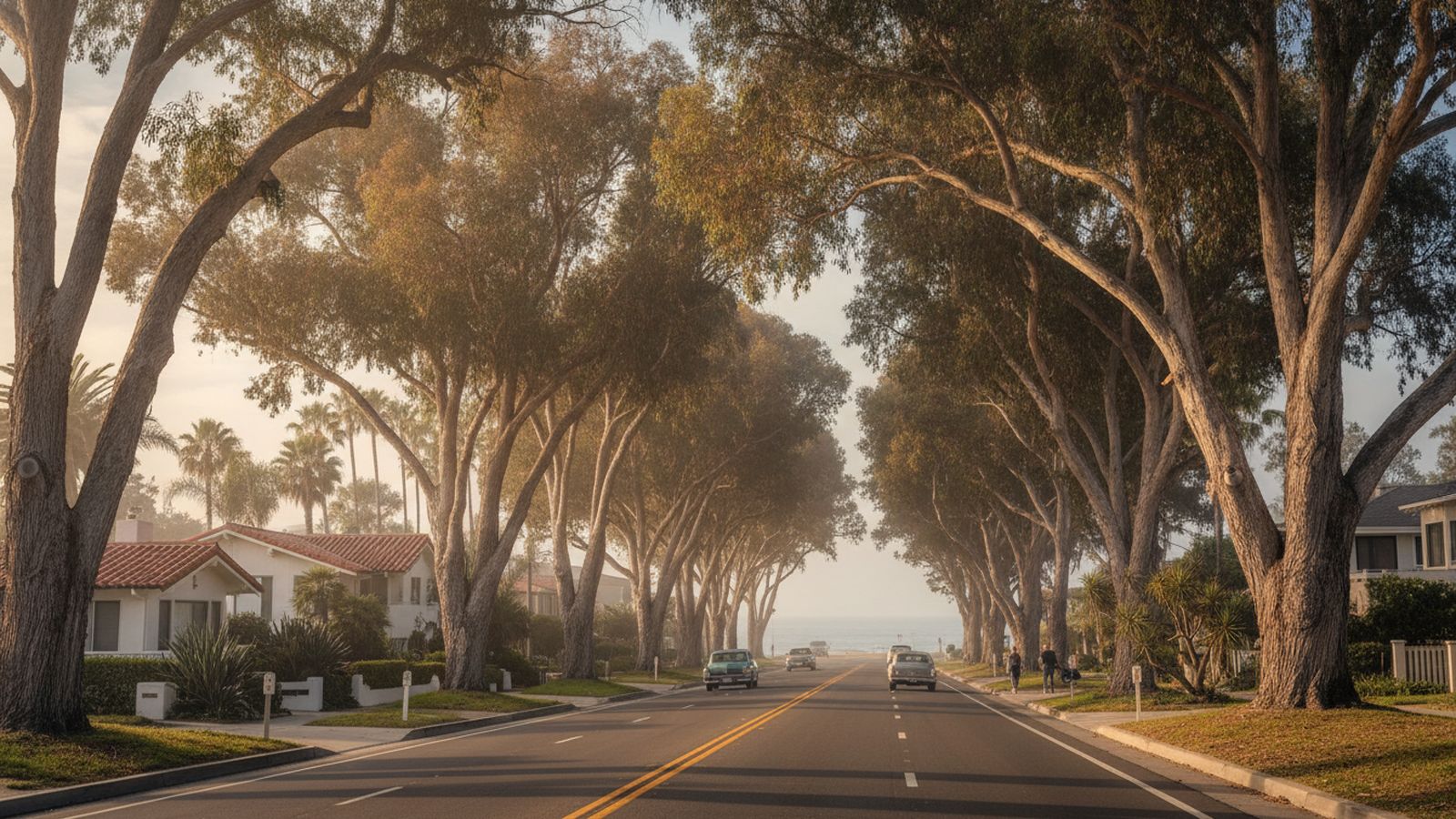 LeucadiaEucalyptus-lined 101, deep lots and streets named for mythology
 Cardiff-by-the-SeaLagoon, surf breaks and hillside view lots on the south end
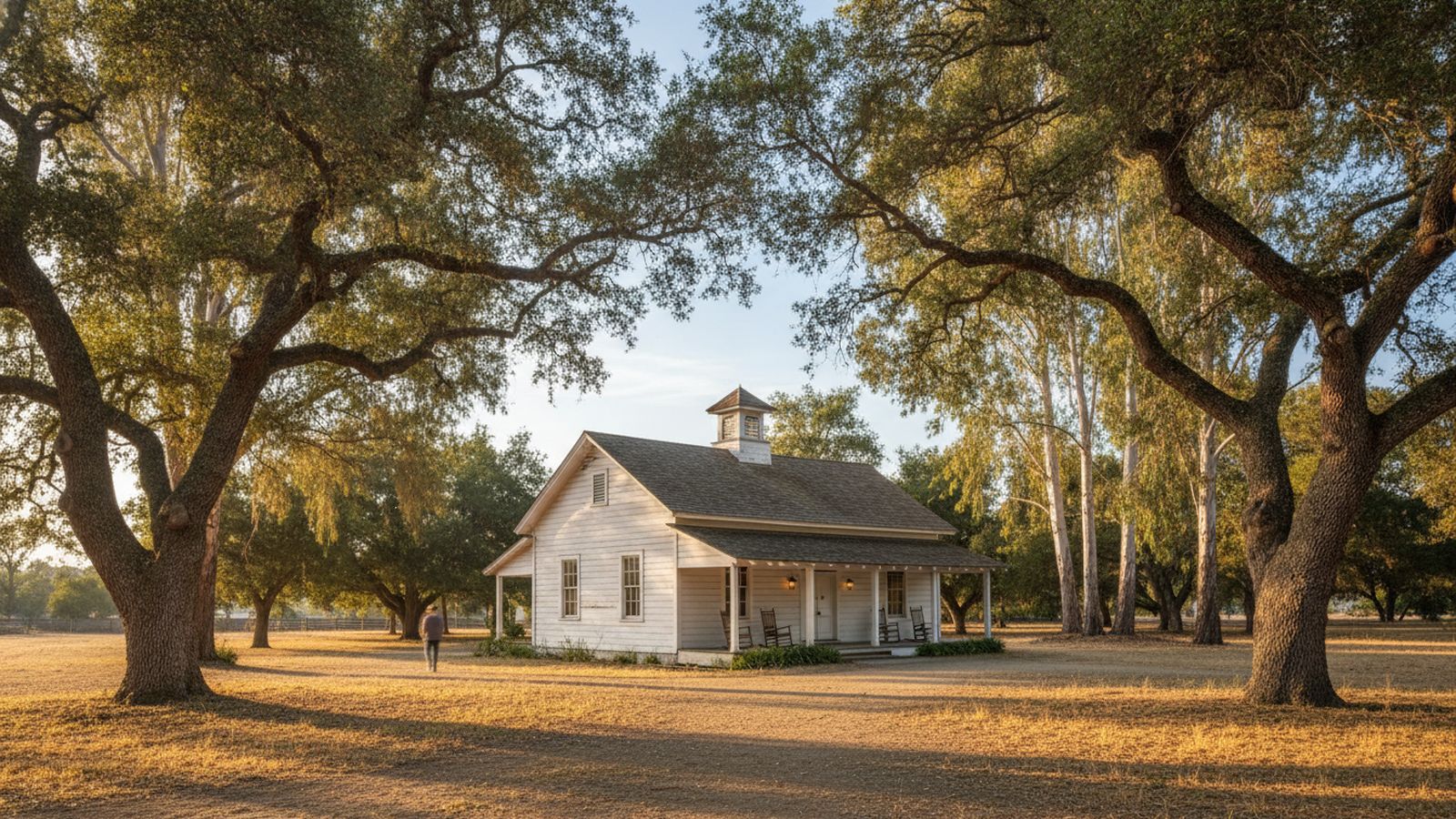 OlivenhainAcreage, horse trails and a meeting hall from 1895
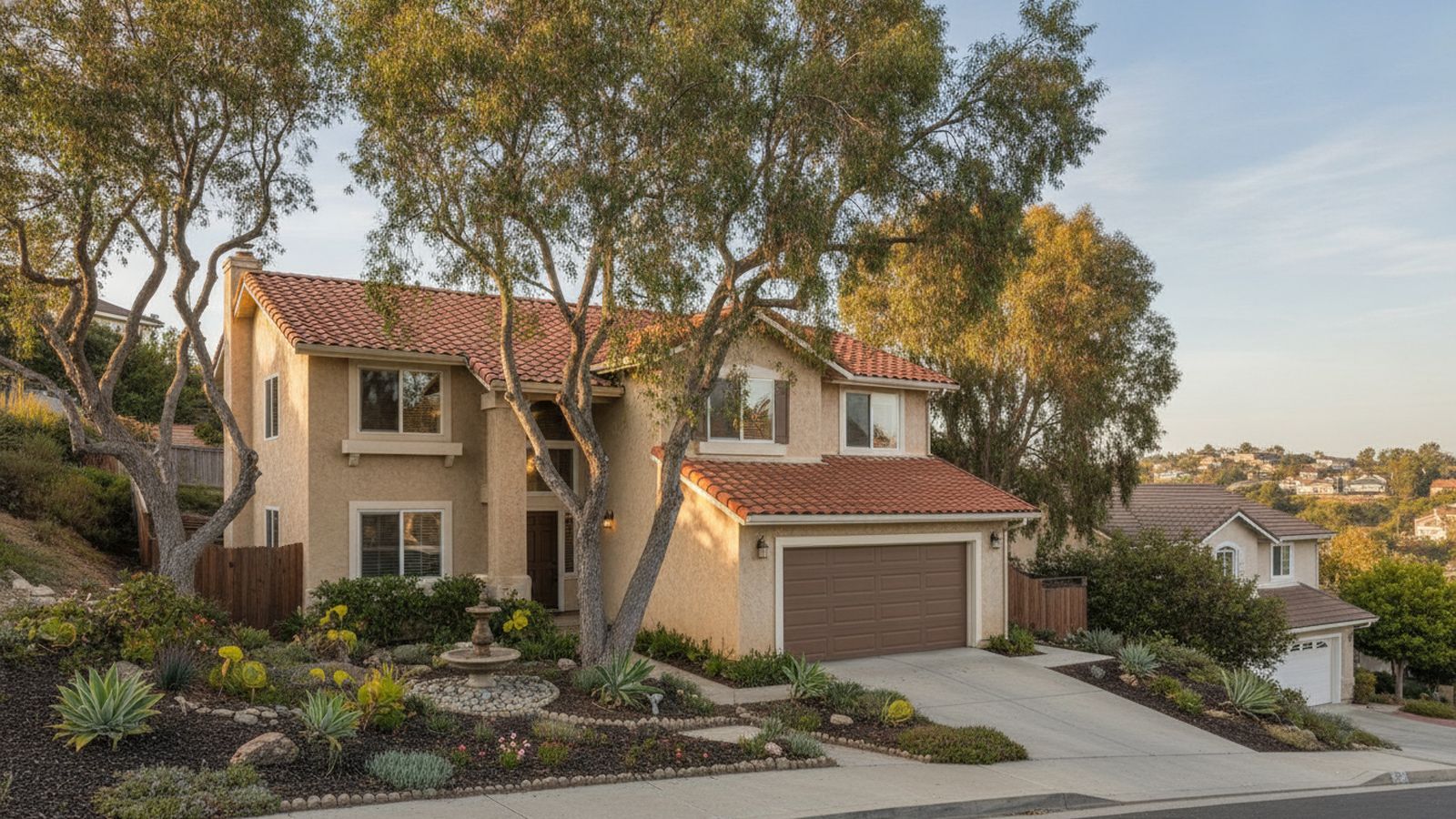 New EncinitasThe planned east side along El Camino Real and Encinitas Boulevard
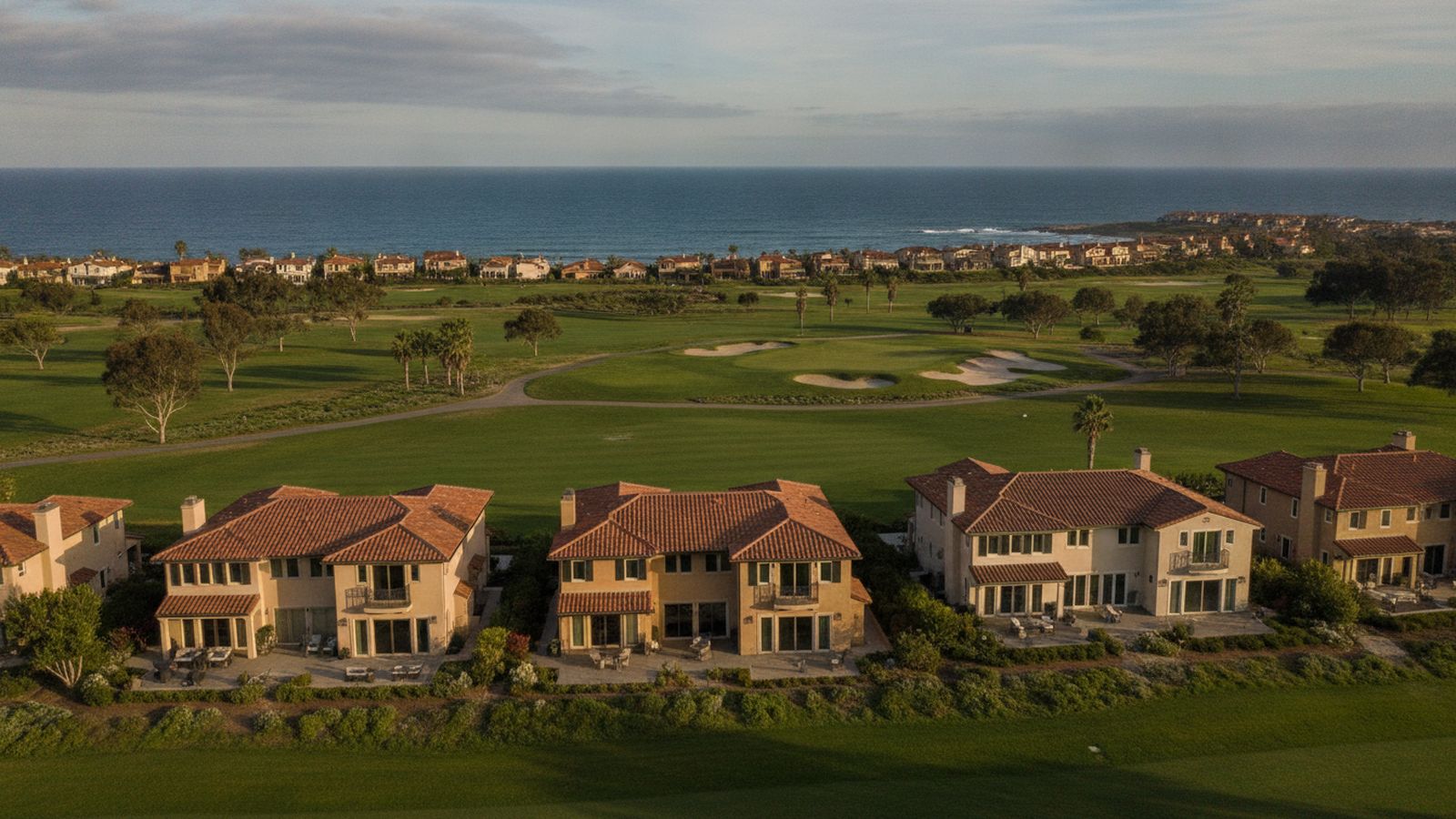 Encinitas RanchGolf course neighborhoods on former flower-growing land
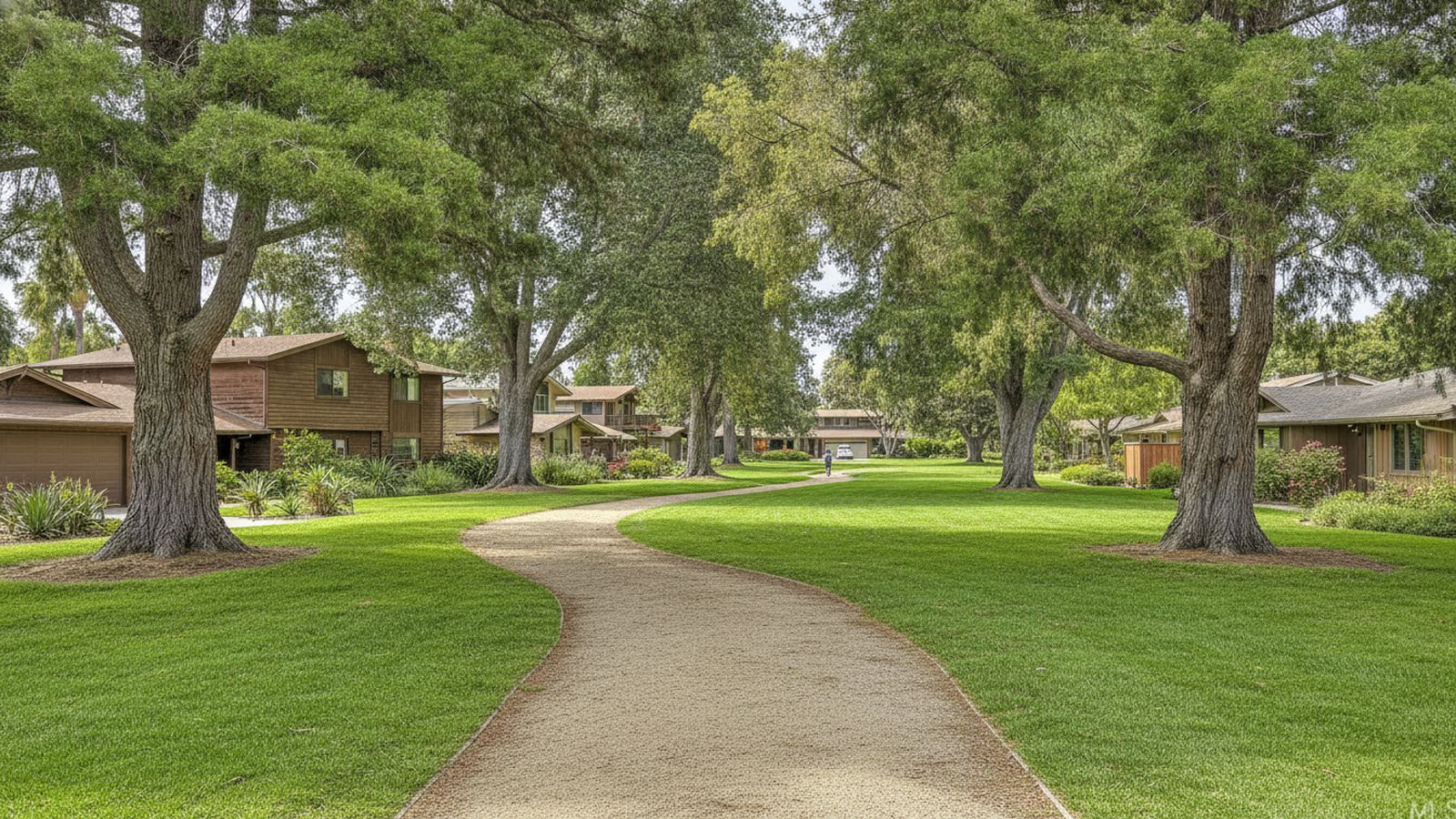 Village ParkGreenbelt paths, association pools and 1970s planned homes
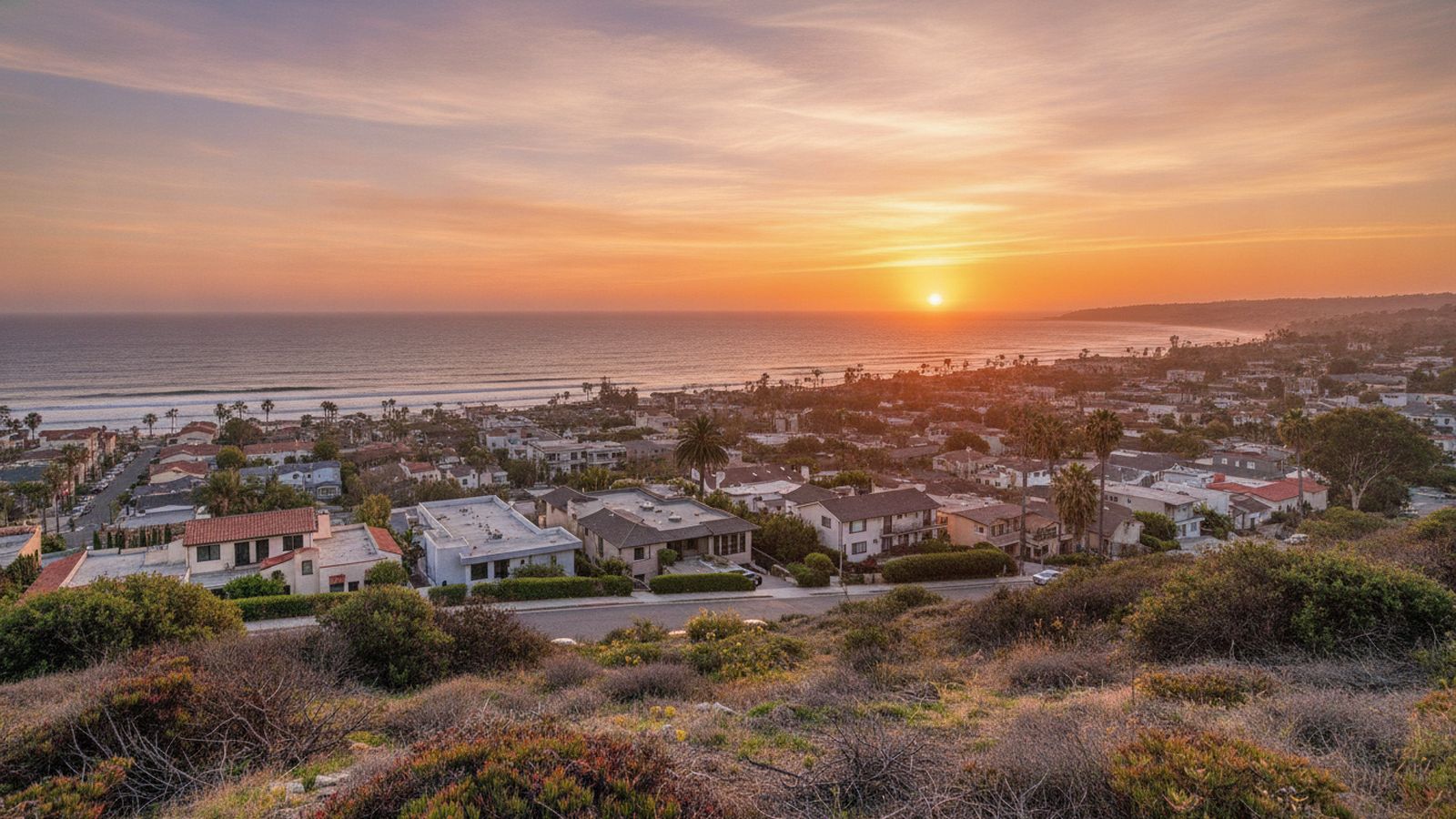 Encinitas HighlandsHillside homes between Vulcan Avenue and the freeway
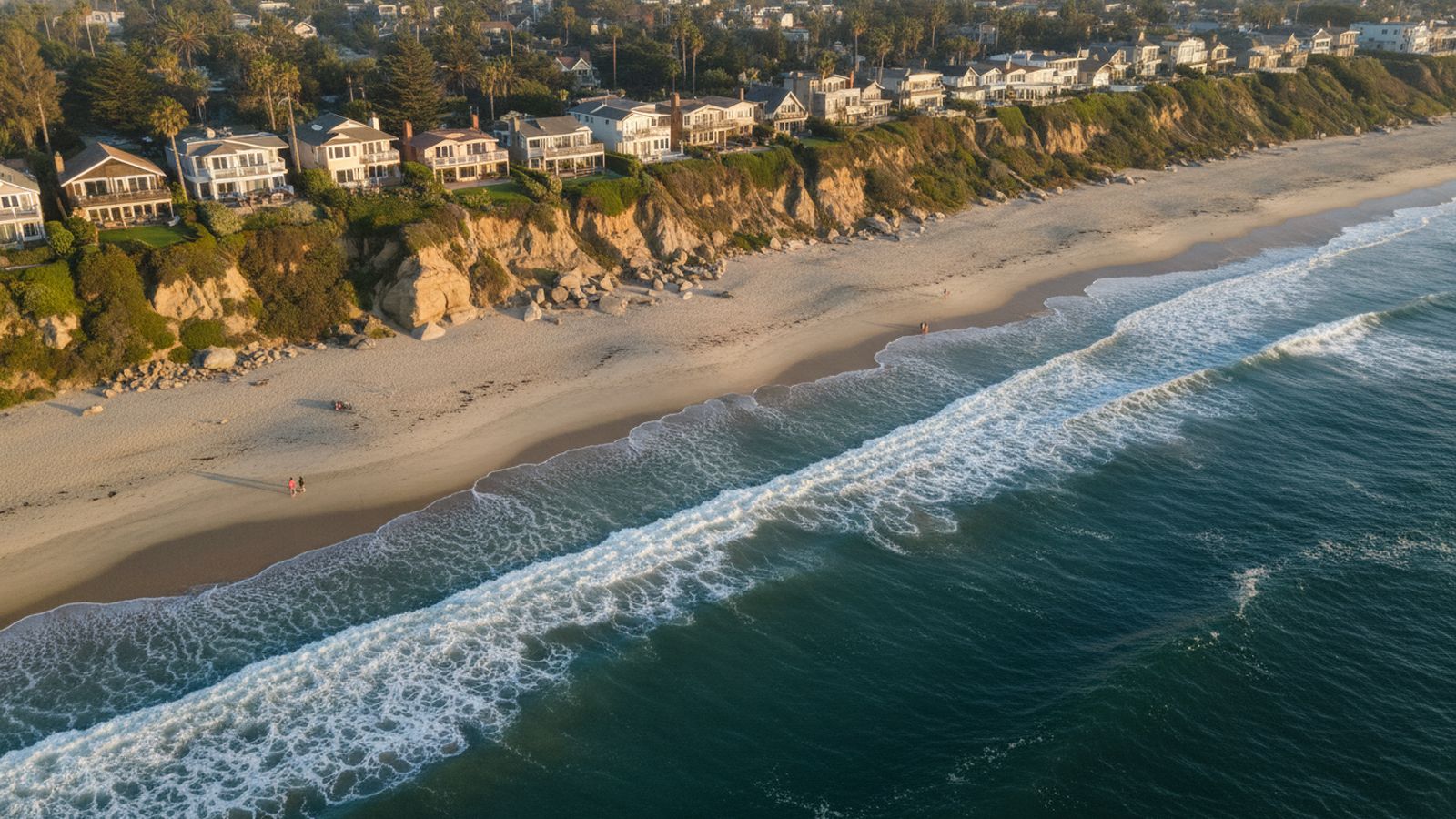
Encinitas questions
Does it matter which Encinitas community a home is in?
Yes. Leucadia, Old Encinitas, Cardiff-by-the-Sea, New Encinitas and Olivenhain share a city government but not a single market. Lot sizes, building ages, coastal permitting rules and buyer expectations differ between them. A tract home east of Interstate 5 and a cottage near Coast Highway 101 can be similar in size and still sell far apart. Where the data permits, comparables come from the identical community and from the same side of the freeway.
How is an ocean view valued in Encinitas?
Views are rated for width, quality and permanence. A panoramic whitewater view from a Cardiff hillside or a Leucadia bluff lot commands a different premium than a partial view visible only from an upper deck. The adjustment is supported with local paired sales where possible, comparing similar homes with and without a comparable view in the same area, rather than applying a standard percentage that may not fit a particular street.
Are permitted ADUs counted in the appraised value?
A legally permitted accessory dwelling unit usually adds value, and the amount depends on its size, quality, separate entry and how buyers in that neighborhood treat second units. Encinitas has seen many ADUs built since state rules eased, particularly on the deep lots in Leucadia. Unpermitted conversions are noted and handled conservatively because a buyer may face the cost of legalizing or removing them. Permit records help confirm the status.
How do bluff-top homes in Leucadia and Cardiff get appraised?
Bluff-top properties are compared with other bluff-top sales whenever possible because their market is narrow. The analysis considers lot depth to the bluff edge, known erosion, any seawall or protective work and its permit status, and limits on future building imposed by coastal rules. Geotechnical reports supplied by the owner are reviewed when available. A dramatic view does not offset every constraint, and the sales data shows how buyers weigh the trade.
What makes Olivenhain properties harder to value?
Olivenhain parcels vary widely in acreage, topography and improvements, and sales are less frequent than on the coast. Two homes of similar size may differ greatly in usable flat land, horse facilities, trail access or fire exposure. Comparable searches often extend into nearby rural areas with similar zoning, and adjustments focus on usable land and site improvements rather than square footage alone. Long marketing times are also common and are factored into the analysis.
Can an appraisal be dated to a past date for an Encinitas estate?
Yes. Retrospective appraisals are routine for estates, trusts, divorce settlements and property tax matters. Value is determined as of the date requested, for instance a date of death, relying on sales closed near then and describing the home as it stood at that time. Encinitas values have shifted noticeably over short periods, so the market conditions in the months around the effective date receive careful attention.
ZIP codes: 92024, 92007, 92023