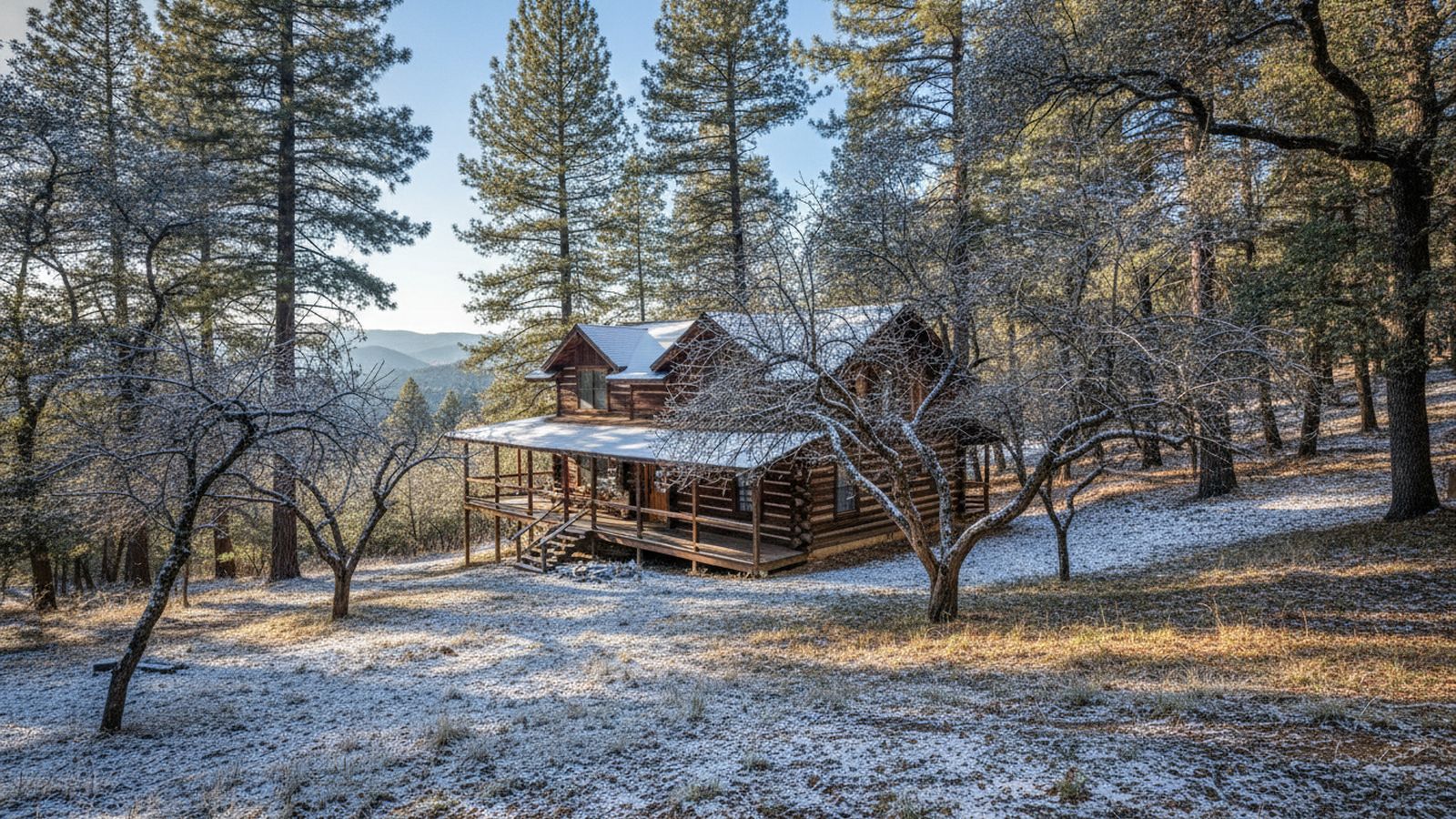
Julian grew out of an 1869 gold discovery in the Cuyamaca Mountains, and the strike drew prospectors who built a town of false-fronted storefronts along Main Street. Once the mines were exhausted, settlers planted apple orchards, which continue to shape the town's identity and draw fall visitors. Located about an hour northeast of central San Diego near the junction of Highways 78 and 79, the town sits at roughly 4,200 feet among oaks and pines. Its historic district retains many nineteenth-century buildings, while residential areas spread into forested hillsides and subdivisions laid out for mountain cabins during the twentieth century.
Housing in Julian
Julian's housing stock ranges from Victorian-era homes in and around the historic district to cabins, A-frames and chalets built in forested subdivisions such as Kentwood-in-the-Pines and Pine Hills from the 1950s onward. Many of these began as vacation retreats on small, sloped lots and were later winterized for full-time living. Newer custom homes appear on larger parcels with orchard or meadow land, especially toward Wynola and Farmer Road. Manufactured homes are present on rural acreage. Condominiums are scarce. Rebuilt homes stand in areas where wildfire destroyed earlier houses, so a single street can contain structures decades apart in age and construction standards.
What shifts value here
Several forces pull values in different directions in Julian. Tourism and the town's name recognition support demand for cabins and short-term rental use, though county rules and private community restrictions shape what is permitted. Snow, winding roads and distance from employment limit the full-time buyer pool. Water is a constant concern: most homes rely on wells, some share small water systems, and septic suitability restricts expansion on small lots. Fire risk and insurance costs weigh heavily after past forest fires. Tree cover and views toward the desert or Volcan Mountain add appeal, while deferred maintenance on older wood-sided cabins and steep driveways that ice over in winter detract from value.
Neighborhoods
- Kentwood-in-the-Pines
- Pine Hills
- Whispering Pines
- Harrison Park
- Wynola
- Cuyamaca
Landmarks
- Julian Pioneer Museum
- Volcan Mountain Wilderness Preserve
- William Heise County Park
- Lake Cuyamaca
- Eagle and High Peak Gold Mine
Valuation approach
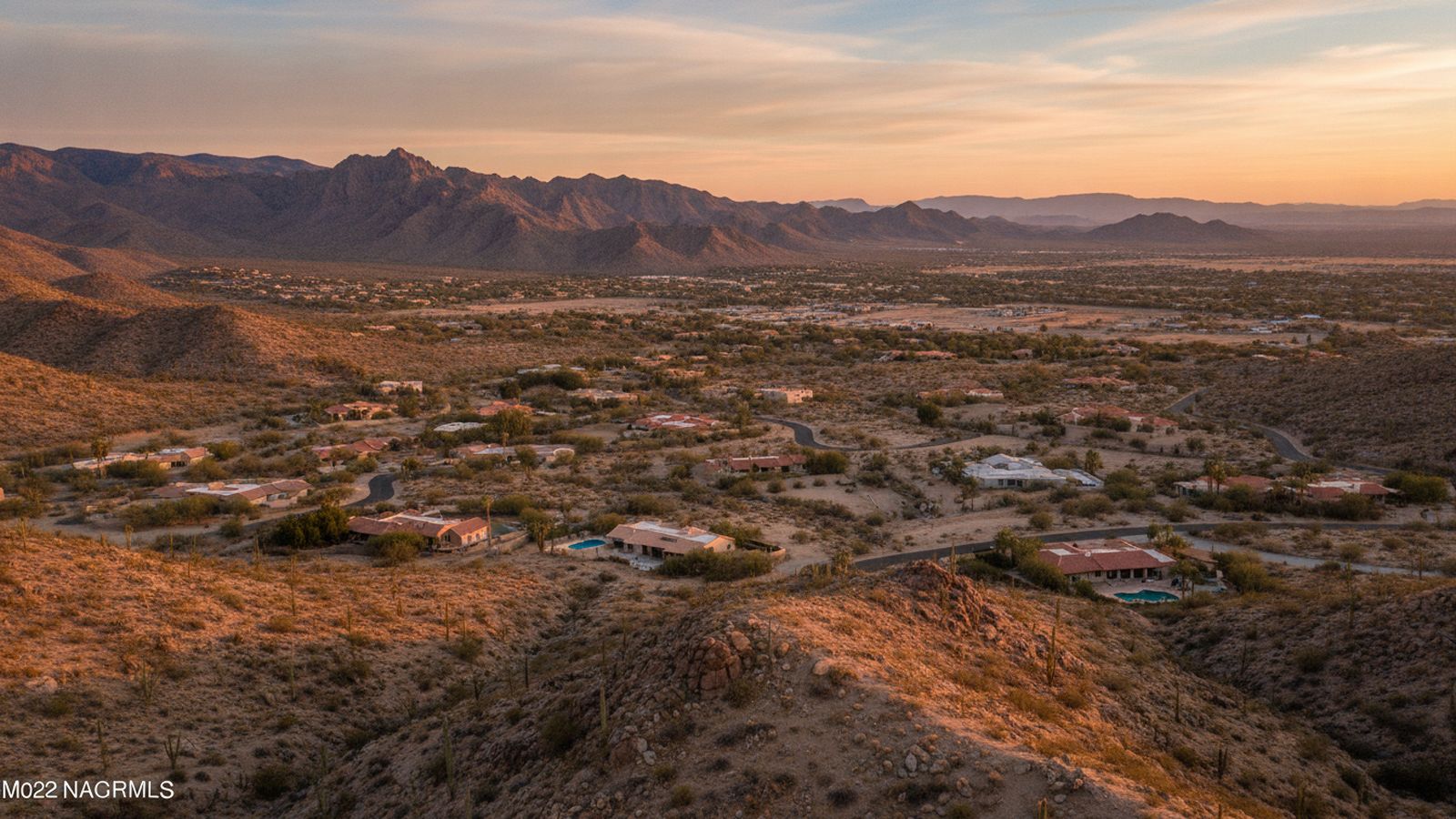
An appraiser working in Julian usually confines the first search to the same subdivision or forest setting, since a Kentwood cabin and an orchard parcel in Wynola appeal to different buyers. Adjustments often cover winterization, heating type, lot slope, well versus shared water, garage or carport presence and proximity to the historic town center. Seasonal timing also matters, because listings and sales cluster outside winter. Owners should collect water system documents, septic records, wood stove or propane details, any short-term rental permit or income history, and records of roof or deck replacement.
Local question
Should a Julian cabin's short-term rental income be part of its appraised value for an estate?
Market value for a single-family property is normally based on what buyers pay for comparable homes, not on the income stream itself. Rental history can still be relevant if local buyers clearly pay more for cabins with established rental use or permitting. The appraiser may mention it and look for comparable sales that shared that feature. Providing rental records and any applicable permits helps clarify whether that premium exists for the specific cabin.
ZIP codes: 92036