Key points
- Tie every ADU or lot-split analysis to the permits and rules in force on the effective date.
- A permitted ADU usually adds value, though often less than its construction cost.
- Unpermitted units are described as they exist, with legalization risk weighed, not assumed away.
- Rent supports an ADU's contribution, but comparable sales still drive a single-family appraisal.
- Unsplit SB 9 potential counts only as far as market behavior shows buyers paying for it.
The state and local backdrop
California has rewritten its accessory dwelling unit rules several times since 2017, limiting how much cities can restrict detached ADUs, attached ADUs and junior ADUs carved out of an existing house. Senate Bill 9, effective January 1, 2022, added a path for splitting many single-family lots into two parcels and placing up to two units on each, subject to conditions such as owner-occupancy statements for lot splits. Encinitas has its own complicated history here: a long, litigated effort to adopt a state-compliant Housing Element, shaped in part by the 2013 voter measure known as Proposition A. The city has encouraged accessory units as one way to add housing. Because state and local rules have changed so often, an appraiser always ties the analysis to the rules and permits in force for the specific property and effective date.
How a permitted ADU affects value
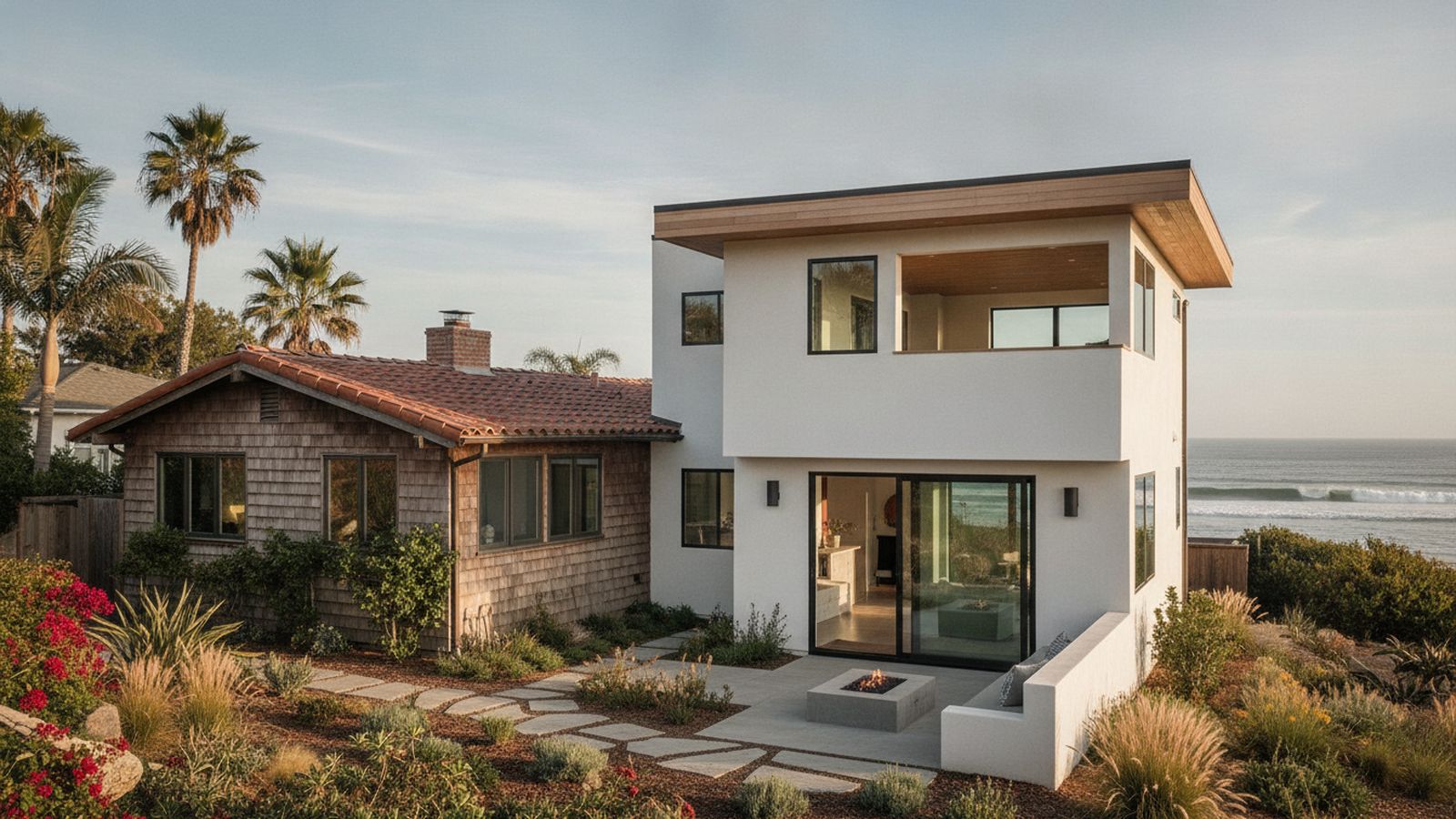
A finalized, permitted ADU is usually treated as a real contributor to value, but rarely at a simple cost-plus figure. The market looks at how the unit fits the lot, whether it has separate entry and parking, its size and finish, and whether it reduces the yard or privacy of the main house. In Leucadia and Old Encinitas, where lots are often deeper and zoning has long allowed granny flats, buyers may pay a meaningful premium for a well-built detached cottage. On a tight Cardiff lot, the same unit may add less. An appraiser looks for sales of comparable homes with and without ADUs, ideally nearby and close in time, and derives an adjustment from those pairs. Construction cost is useful context, yet a new ADU seldom returns every dollar spent at resale, and the report should say so when the evidence shows it.
Unpermitted units and garage conversions
Older Encinitas neighborhoods contain plenty of converted garages, finished outbuildings and backyard studios built without permits. An appraiser does not simply count that space as living area or as a legal second unit. The usual approach describes what exists, notes that permits were not found, and considers how buyers in that segment react. Some buyers discount heavily because legalization can require upgrades to fire separation, utilities or parking, or removal in the worst case. Others will pay something for usable space while pricing in the risk. California has created pathways to legalize some older unpermitted ADUs, but eligibility depends on the specific structure and local review. The report should not assume legalization will succeed. Owners with plans, inspection records or correspondence from the city's planning or building staff should provide them, since documented progress toward legal status changes the analysis.
Rental income as evidence
When a second unit is rented, the lease and payment history can support its contribution, but only within limits. A residential appraisal of a single-family home with an ADU is still driven mainly by comparable sales, not by capitalizing rent the way an apartment building would be valued. Rent becomes useful when comparing sales that also had income-producing units, or when estimating how buyers weigh the income against the loss of yard and privacy. Short-term vacation rental income deserves caution, because Encinitas regulates short-term rentals and permit status can change. An appraiser asks for leases, rent ledgers and any rental permits, then checks those rents against similar units nearby. Rents that are well above or below the local range are noted, and the reasoning for how much weight the income received is stated in the report.
SB 9 lot splits and development potential
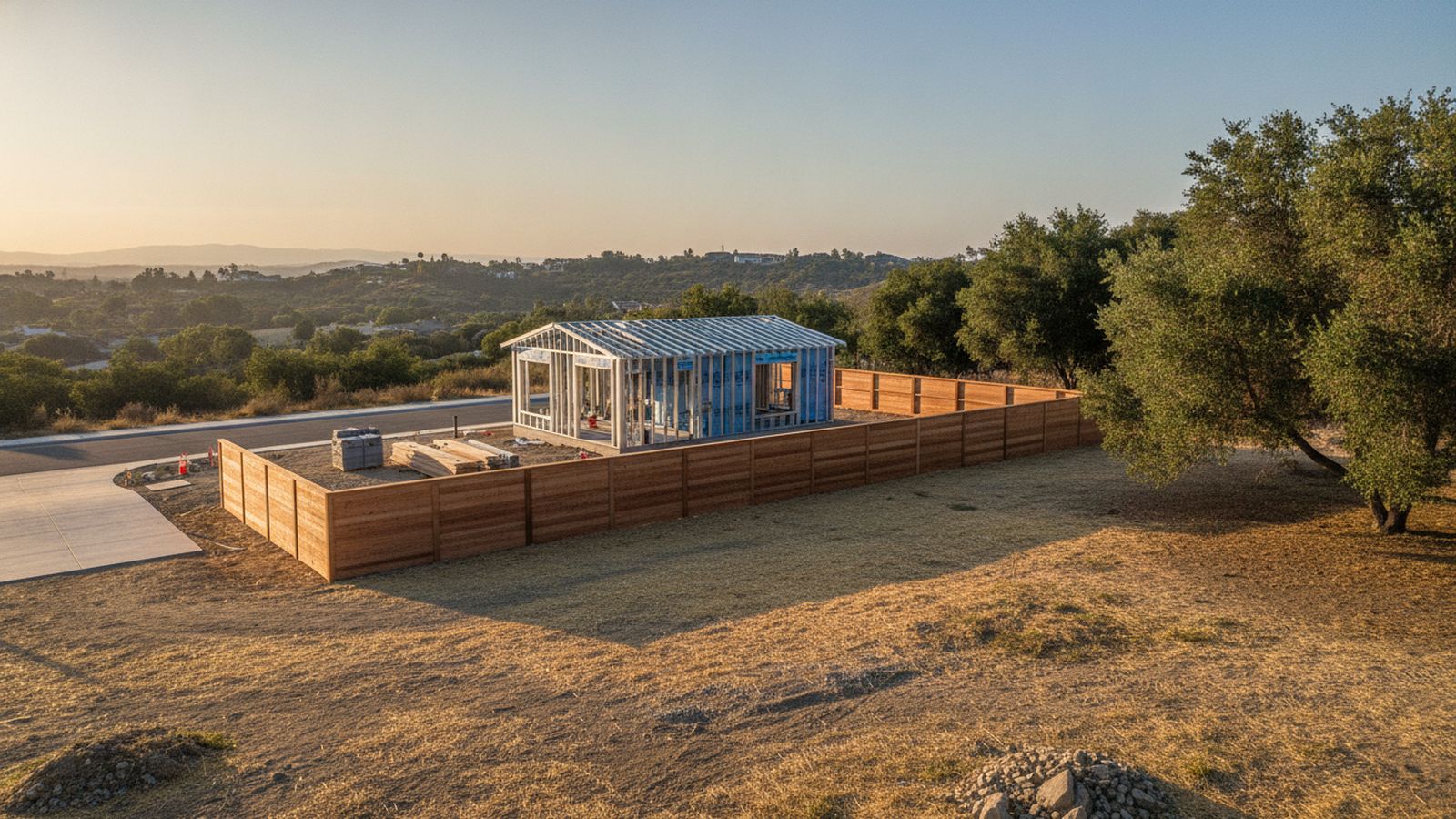
An SB 9 lot split creates two legal parcels from one, and the land underneath can be valued differently once the new lots are recorded. Before the split is complete, potential alone is harder to value. Qualifying criteria, owner-occupancy requirements, utility capacity, access, coastal zone review and the cost of creating the second lot all reduce what a buyer will pay for the opportunity. Many parcels that look eligible on paper face practical obstacles such as slopes, easements or setbacks. For a completed split, an appraiser values each parcel based on its own size, access and improvements, using land sales and comparable small-lot sales where available. For an unsplit lot, the potential is considered only to the extent that recent market behavior shows buyers paying for it, and the report explains the evidence behind that view.
Questions
Will an appraiser count an unpermitted guest house as a second unit?
Usually not as a legal unit. The appraisal describes the structure, notes that no permits were located and considers how buyers react to similar unpermitted space. Some contributory value may still be recognized if the market supports it, but the risk of required upgrades or removal is part of the analysis. Records showing permit applications or an approved legalization path should be provided, because they can change the conclusion.
Does an approved but unrecorded SB 9 split change value?
It can, but less than a recorded split. Until the parcel map is finished, the owner still holds one lot, and a buyer faces remaining costs, conditions and timing risk. An appraiser considers the approval documents, the work remaining and any sales showing how the local market treats similar approved projects. The value opinion reflects the property's legal status on the effective date, with the approvals described in the report.
General information, not legal or tax advice.